Arts & Culture
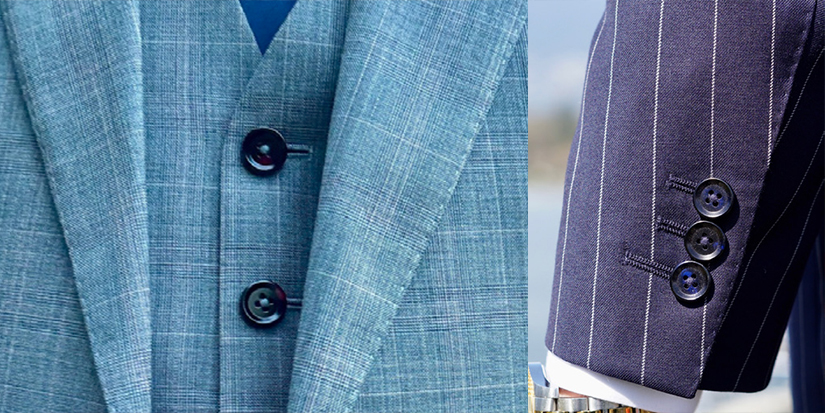
Pick Stitching & Buttons
Pick Stitching & Buttons
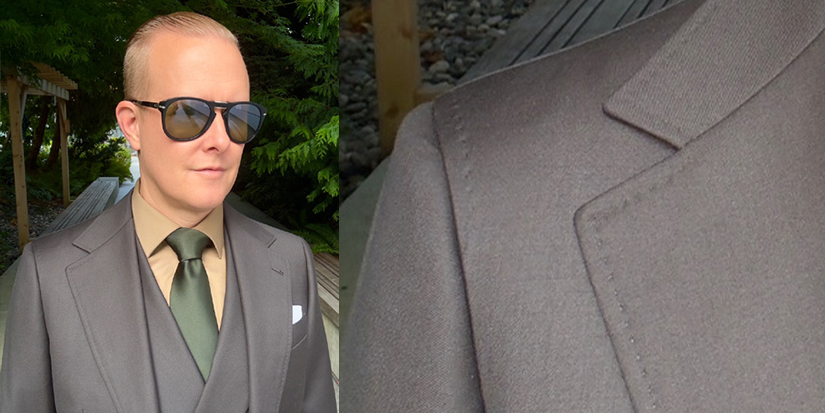
Notch lapel
Photos courtesy DJ Scammell
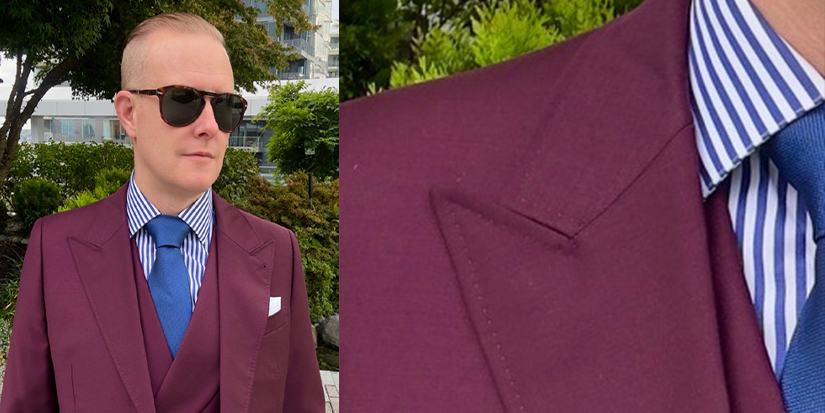
Peak lapel
Photos courtesy DJ Scammell
A Great Suit

Published 1:50 PDT, Fri March 20, 2026
Last Updated: 4:33 PDT, Mon June 8, 2026


Fashion for Men
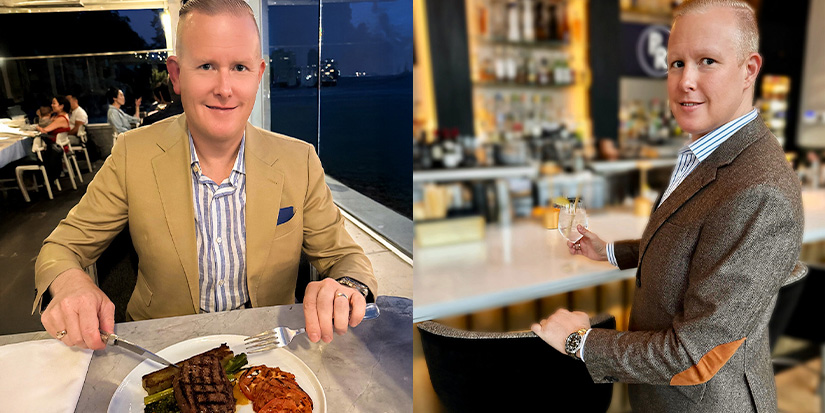
When it comes to men’s suit fashion there is lot of things that make a great suit. The number 1 thing that I believe is the fit. The number 2 thing is the quality of the fabric. But the 3rd thing is very crucial and that’s what this article is all about – some of the small custom details that go into the design that makes a suit so much better overall.
#1. THE LAPELS
It is very important to get the lapels right on your suit and understanding the many details that go into getting the lapels just right. Here is a small breakdown of understanding why this detail is important.
The width: The width of your lapels are very important and in today’s men’s fashion should almost match the width of the size of your ties. I personally like a bit wider lapels than my ties around 3.5 inches or a bit wider (that’s my own personal preference). If your style is a skinny tie accessory then I suggest to go with a smaller lapel but be warned that skinny lapels and ties are dated in today’ fashion.
Type Of Lapel: When it comes to single breasted suits there are two different style lapels to choose from – the Notch lapel and the Peak lapel style. Both are a great look but both will make the overall look of your suit a lot different. For the everyday classic wear for work I suggest go with the most common a notched lapel. The top of a notch lapel features a downward-sloping angle (or V-cut) that creates a "step" where it meets the collar. The angle points downwards and outwards, away from the neck towards the chest. The second option Peak lapel is a style for more suitable for more formal occasions like weddings, and formal gatherings. A peak lapel features an upward-sloping, pointed edge where the collar meets the lapel, with the lapel tips pointing up toward the shoulder. Unlike the downward, V-shaped notch of a traditional lapel, the peak lapel's edge angles sharply upward toward the shoulder, creating a "mountain peak" shape. The angle is designed to draw the eye upward, making the wearer's chest appear broader and their stature taller. While peak lapels are standard on double-breasted jackets, they are also used to add flair and formality to single-breasted suits.
#2. EXTERIOR POCKETS
There are many different exterior pockets to choose from on the jacket. Here is a breakdown:
Flap Pockets (Standard/Business): The most common pocket, featuring a flap of fabric covering the opening. These are versatile andappropriate for business suits, but the flaps can be tucked in to create a more formal appearance.
Jetted or Welt Pockets (Formal): A slit-style pocket with no covering flap, creating a sleek, clean line. These are the most formal option, essential for tuxedos and commonly used on modern, minimalist suits.
Patch Pockets (Casual): Pockets made from a separate piece of fabric sewn directly onto the outside of the jacket. This is the most casual, sporty style, popular on blazers, linen suits, and unstructured jackets.
Ticket Pocket (Detailed): A small, additional pocket placed directly above the main right-hand hip pocket. Often seen on tailored British-style suits, it adds a touch of classic sophistication. This is one my personal favorite touches.
Slanted or Hacking Pockets (Sporty/Style): Pockets angled slightly upwards, originally designed for riding jackets. They are considered a stylish, flattering option on blazers and casual suits.
Breast Pocket (Welt Pocket): The small pocket on the left chest, typically a welt (jetted) style designed for a pocket square.
#3. PICK STITCHING: is a specialized, visible running stitch applied along the edges of a suit jacket—typically on the lapels, pockets, and collar— that secures the fabric layers together while adding a, refined, decorative, and artisan detail. Originally a sign of bespoke tailoring, it acts functionally to keep edges crisp but is often used in modern, machine-made suits as a stylistic, aesthetic touch.
#4. SUIT BUTTONS: is another crucial detail on a men’s suit jackets because they serve as a primary indicator of quality, enhance the aesthetic, and demonstrate attention to detail. While they are functional fasteners, the choice of material, color, and finish can transform a suit from ordinary to extraordinary, signalling luxury and personal style.
#5. INNER LINING: Is often overlooked detail on a men’s suit jacket that directly impacts its comfort, durability, structure, and style. Rather than just being a hidden layer, it functions as a protective barrier and a structural component that determines how the jacket hangs, moves, and feels. Below is a better breakdown of the different types of Lining and their impact.
Full Lining: Provides maximum structure, durability, and a formal, polished look. Ideal for year-round and cold-weather suits.
Half/Quarter Lining: Offers a balance of structure and breathability, reducing weight for warmer climates or seasons.
Unlined (Deconstructed): Offers maximum breathability and a casual, lightweight feel, relying on expert construction for the interior seams.
Some key materials in inner lining are the following:
Bemberg (Cupro): Considered the gold standard; it is breathable, anti-static, and luxurious.
Viscose (Rayon): A durable and affordable breathable option.
Silk: Highly luxurious, but delicate and expensive.
There is of course many other details I could go over that will help elevate your suit fashion such as the cuff of your trousers, piping the stitching in the inner lining, and buttonhole on the left hand side lapel and the list goes on and on but we just do not have the space to write about that here. I am confident with a better understanding of these five details I have outlined above, you will be able to take your suit fashion to the next level while making a wise investment that will serve you well for years to come.




























































.jpg)



.jpg)
















































-825x413.jpg)







2 Hours of free financial consulting
Jai Xin Planning Ltd.
C$120.00 C$0.00
Use any of our home staging service and get a second month rental for free!
MiiX Interiors
C$500.00 C$0.00

Get 10% off any order
Phantom Screens Lower Mainland
C$200.00 C$180.00