Latest News
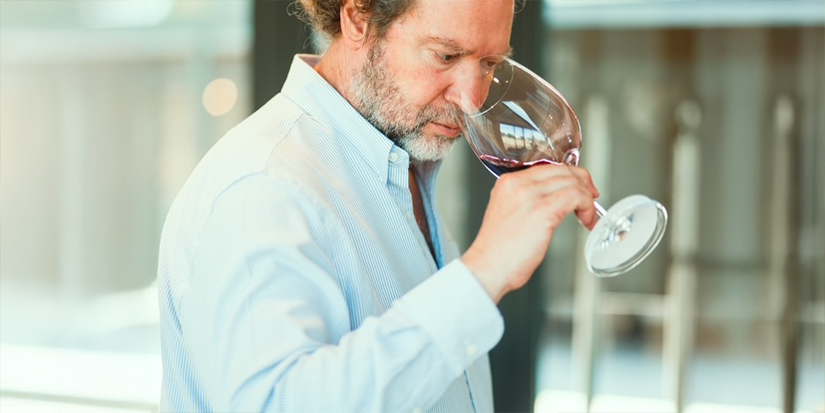
Daniel Pi - Chief Winemaker of Bemberg Estate Wine
Award-Winning Argentinian Winemaker shares secret to success

Published 2:45 PDT, Thu May 21, 2026
Last Updated: 2:39 PDT, Tue August 11, 2026


-
Award-Winning Argentinian Winemaker shares secret to success: Daniel Pi of Bemberg Estate Wines has created exquisite wine for over 30 years
Daniel Pi is one of Argentina's most respected winemakers and was named the country’s top winemaker in 2017. He is working with Bemberg Estate Wines as Chief Winemaker. Bemberg Estate Wines is a 6th generation family run business focused on small parcel, terroir driven wines sourced from top vineyards located in regions like Mendoza, Salta, and San Juan.
OCT: We are so fortunate to have met you through the wonderful Dandurand team here in Vancouver and to learn more about these incredible wines.
DP: I am very pleased to talk about what we are doing in Argentina with Bemberg Estate Wines.
OCT: You are certainly doing some amazing things in Argentina, including winning wine- maker of the year. Let’s talk about the history of Bemberg Estate Wines.
DP: Bemberg Estate Wines belongs to the Bemberg family that was established in Argentina around 1855. They have been doing a lot of business, and the fifth generation decided to create a brand for the winery, using the best grapes because they own the largest winery in Argentina.
OCT: In fact, 3500 hectares of grapes.
DP: Yes and I was, for over 30 years, the head winemaker and viticulturist of the whole group. So I knew exactly where the best grapes were produced and how to make the best wines. I have been making wine for the family and their friends for many years. The fifth generation decided that they would build a winery, and proudly put their own name on the label. Today, the 6th generation is running the business.
OCT: Let’s talk about what makes this wine so special, you said you concentrate on micro-terroir. What does that mean?
DP: The winery is based in Gualtallary, which is an appellation inside the Uco Valley well known for producing the best wines. The most important part of this place is the soil. That is why we decided to build the winery in this location. It is 1300 meters above sea level and the soil has three layers. The top soil is sandy loam. Then there is the interface which is between the sand and the gravel. This is a deposit of calcium carbonate or calcare in French. Behind the calcare is the gravel, because all of our soils are alluvial, which means it has water flowing from the mountains into the valley, carrying materials and all sizes of rocks so the vines feed from the three different types of soil and that makes this place unique.
OCT: We tasted several wines with you today; can we start with the Chardonnay and its qualities
DP: For the Chardonnay we use the grapes from the most shallow parts. We also pick the grapes in three different moments from different harvests. Our wine does not have a very strong character of oak but this wine reflects the altitude, the type of soil, and the way we make wine. It is more natural. That means we let the fermentation start spontaneously and we do not add any culture yeast, we let the natural yeast that comes with the grapes to ferment the wine. So, I like to say that we put our landscape into the bottle.
OCT: Our next wine to talk about is the Pinot Noir and is in fact one of your personal favourites.
DP: Pinot Noir is one of the most challenging grape variety to grow and wine to make. We again use the spontaneous fermentation and keeping the same style of no intervention. This wine comes from grapes grown in Los Árboles, in a vineyard that is in the mountains. It rains three times more there than where we grow grapes for the Chardonnay. We do not need to irrigate there. This is something unique to Argentina because we do have a desert like climate. Pinot Noir loves humid soils so this makes for a beautiful wine.
OCT: The last two wines are a Malbec and a unique blend.
DP: Malbec is the grape of Argentina and has been in our country since the middle of the 1800s. It is very well adapted to our climate and planted in the same place as the Chardonnay in Gualtallary. The American Association of Wine Economics mentioned that they found some papers that say that in 1860 the second destination of Bordeaux wines, after UK, was Argentina. Apparently, the country was a heavy consumer of Bordeaux and the president at the time hired the services of a French viticulturist who brought cuttings from Bordeaux. At the same time there were a lot of Italian and Spanish immigrants, but they were not allowed to plant Tempranillo or Sangiovese, only grape varieties from France. So, we have had Malbec since that time.
OCT: The last wine is a very good blend and we unerstanf one of your specialty wines.
DP: It was made in honour of Otto Bemberg who arrived in Argentina in 1855. He used to drink Bordeaux wines because that was what was here at that time in Argentina. I made this wine to represent what Otto would have been drinking at that time, so it is a blend. It is about 50% Malbec, 35% Cabernet Sauvignon, and 15% Cabernet Franc and stored for 18 months in new French oak barrels and made with passion and heart. It is a beautiful blend of what we think Argentinian wine was like in the early days.
OCT: Congratulations with your ongoing success with every wine that you produce.
For more information BembergEstateWines.com































































































































2 Hours of free financial consulting
Jai Xin Planning Ltd.
C$120.00 C$0.00

Use any of our home staging service and get a second month rental for free!
MiiX Interiors
C$500.00 C$0.00

Get 10% off any order
Phantom Screens Lower Mainland
C$200.00 C$180.00