Latest News

AI Generated
AI Generated

AI Generated
Rise in Nicotine Pouch Usage in Youth

Published 4:18 PDT, Wed August 26, 2026


-
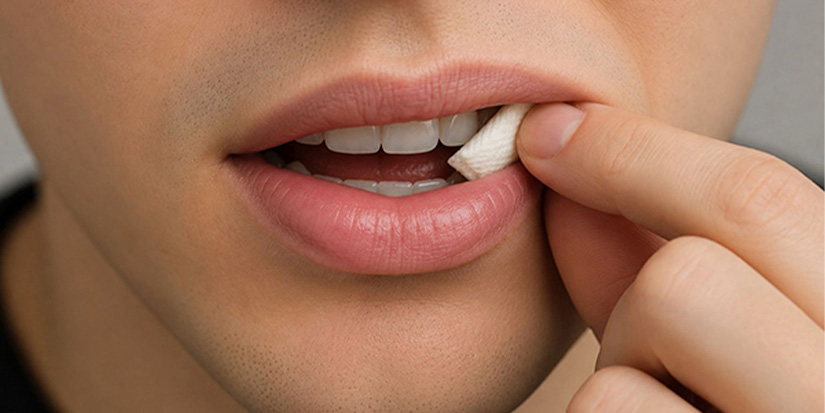
Nicotine pouches are gaining popularity among Canadian youth. Nicotine pouches are smokeless, spit-free products designed to deliver nicotine without the use of tobacco or combustion. They sit against the gum, under the lip, and release nicotine, which is the same addictive chemical found in cigarettes and vapes. The nicotine concentration varies based on brand, and usually ranges from 2-15mg, although some brands offer much higher concentrations. In Canada, nicotine concentration is limited to a maximum of 4mg per pouch, with flavours also being limited to mint and menthol, although other flavours are available in foreign markets. Sometimes, ingredients like sweeteners, stabilizers, or fillers are also included for appeal. Zonnic is currently the only approved nicotine pouch brand authorized for sale in Canada.
Youth and Nicotine Pouches
Although their intended use case is to help people quit smoking, studies suggest that nicotine pouches are becoming popular with young people who have never smoked. Given their design, which allows for use in most situations and environments, nicotine pouches have considerable potential to follow the same popularity trajectory as vapes if not regulated properly. According to the Ontario Tobacco Research Unit, the rapid emergence of oral nicotine pouches has significantly altered the nicotine market in recent years, outpacing public health surveillance and regulatory responses. The World Health Organization (WHO) also recognizes the speed at which nicotine pouches are spreading and calls for governments to act now with strong evidence-based safeguards. Furthermore, in the COMPASS Quebec study, nicotine pouches ranked as the most commonly used alternative nicotine product among youth, second only to vapes. The study also suggests that nearly one-quarter of adolescents were unsure of the health risks of nicotine pouches and 16% didn’t know whether they were addictive. Following this trend, lower risk perceptions were associated with increased likelihood of current use.
Why have they become popular with the youth?
One of the reasons why nicotine pouches have become popular with the youth is marketing. According to the World Health Organization (WHO) report, tactics used by brands include: sleek and discreet packaging; enticing flavours; influencer marketing and promotion on social media; sponsoring concerts, festivals, and sports events; aspirational lifestyle branding; and messaging that encourages discreet use in schools and smoke-free settings. Some packaging even mimics sweets or popular candy brands, which increases risks to the youth. All these tactics are designed to normalize nicotine pouch use and lower perceptions of risks to draw in a new generation of nicotine users. There’s also the perception that nicotine pouches are “safer” than nicotine products like cigarettes or vapes. Although nicotine pouches do not share risks associated with inhaling smoke, they are far from being risk free.
What Health Researchers Actually Say About Nicotine Pouches
Nicotine is a highly toxic and powerfully addictive substance. Excessive amounts of nicotine can cause acute poisoning, which can lead to severe breathing problems, and in the most serious cases, death. Nicotine pouches could be less harmful than cigarettes while providing similar nicotine levels, but most available data comes from industry-funded studies, highlighting the critical need for independent research. There is currently insufficient evidence to establish nicotine pouches as an effective smoking cessation aid when compared to established methods, such as traditional Nicotine Replacement Therapy (NRT) or behavioural interventions. In several studies, nicotine pouches were found to contain trace amounts of carcinogenic chemicals such as ammonia, formaldehyde, chromium, and tobacco-specific nitrosamines. Though it’s worth noting that these chemicals were generally present in much lower levels than in cigarette smoke, except for formaldehyde levels which were comparable or higher in some of the pouches analyzed. Studies have also shown an increase in mortality risk associated with smokeless tobacco use in individuals with ischemic heart disease or cerebrovascular disease. Oral nicotine products may also potentially increase the risk of oral cancer, depending on the chemical composition of the product used and the frequency of use.
Nicotine can also alter brain development, especially in fetuses and adolescents. It disrupts the formation of synapses and brain circuits, impairing cognitive functions like attention, learning, and impulse control. Because it is highly addictive, it can also rewire the reward system, priming the brain for future substance dependencies. Brain development continues into a person's mid-twenties, so exposure to nicotine during adolescence carries particular risk.
What are the current regulations?
Nicotine pouches are approved for sale in Canada under the Natural Health Products Regulations as an NRT for adults who wish to quit smoking or need to temporarily refrain from smoking. They can only be sold in pharmacies, behind the counter. Pharmacist intervention is required prior to purchase and like other NRTs, nicotine pouches are not intended for recreational use or for nonsmokers.
Nicotine pouches can be purchased online, but before checking out, buyers must verify that they are using these nicotine pouches as an NRT.
Call for Urgent Action
Due to the risks, the WHO is urging governments to adopt comprehensive regulation covering all tobacco and nicotine products, including nicotine pouches. Some of these recommendations include: bans or strong restrictions on flavours; advertising, promotion, and sponsorship bans including on social media and use of influencers; stronger age-verification and retail controls; clear health warnings and plain packaging; caps on the amount of nicotine allowed; taxation to reduce affordability and deter youth use; surveillance of use patterns and industry tactics; and strong enforcement of policies. The WHO urges young people to recognize and reject industry tactics designed to make nicotine use seem normal. Urgent, coordinated action today can help protect a new generation from nicotine dependence.




































































































































































































2 Hours of free financial consulting
Jai Xin Planning Ltd.
C$120.00 C$0.00

Use any of our home staging service and get a second month rental for free!
MiiX Interiors
C$500.00 C$0.00

Get 10% off any order
Phantom Screens Lower Mainland
C$200.00 C$180.00