Arts & Culture
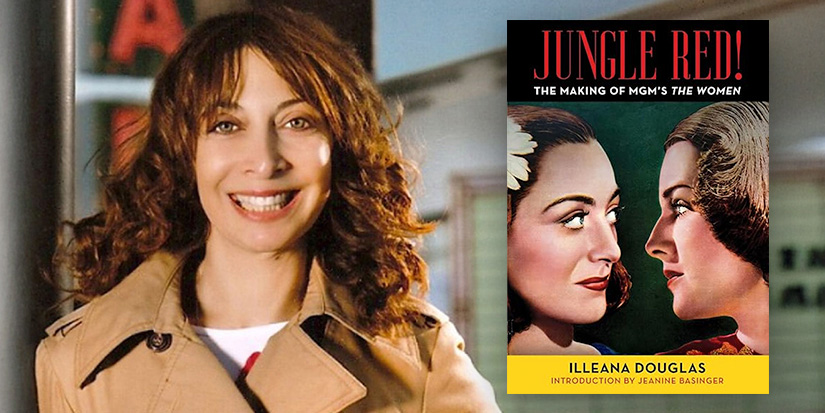
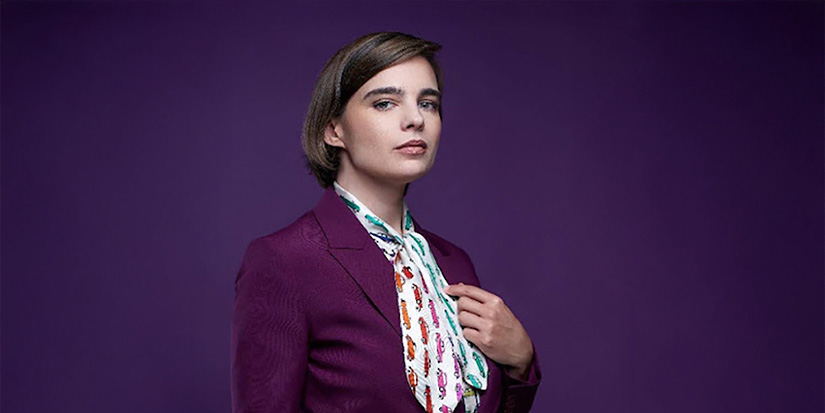
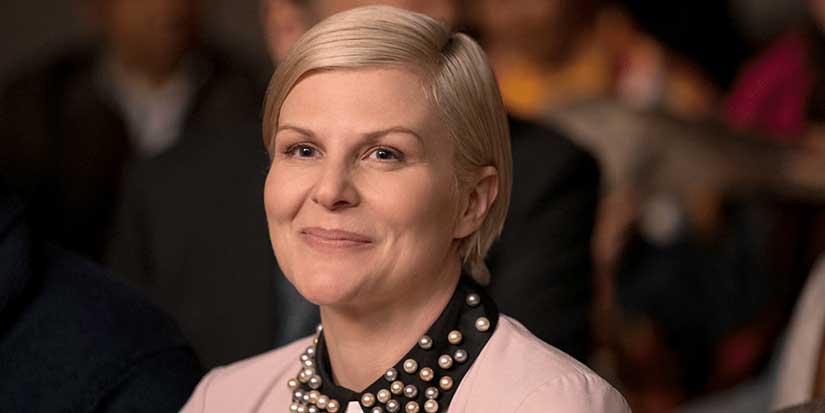
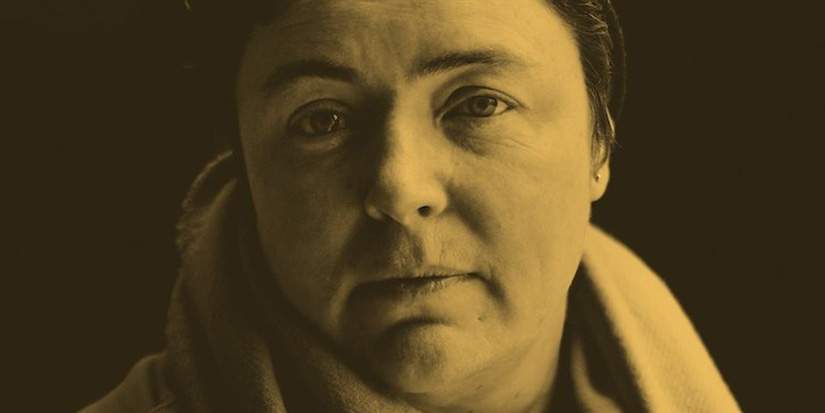
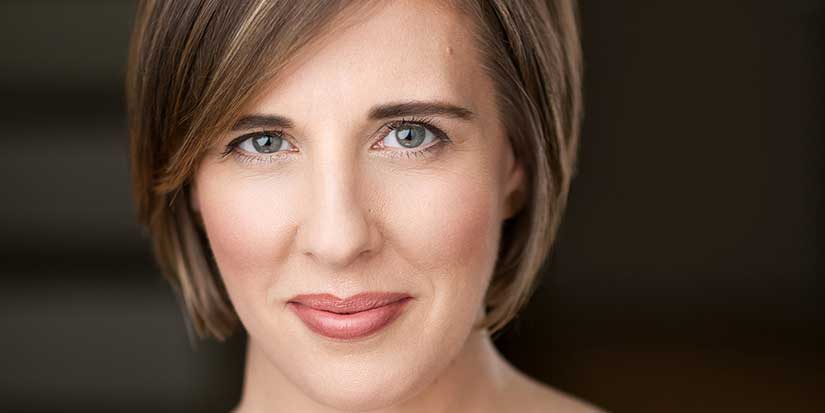
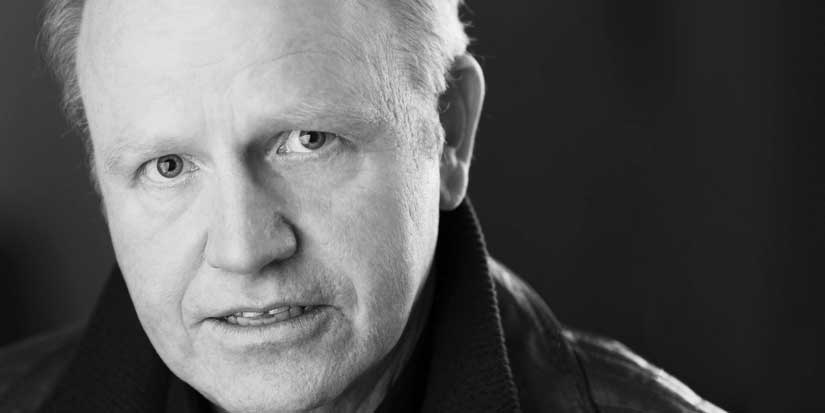
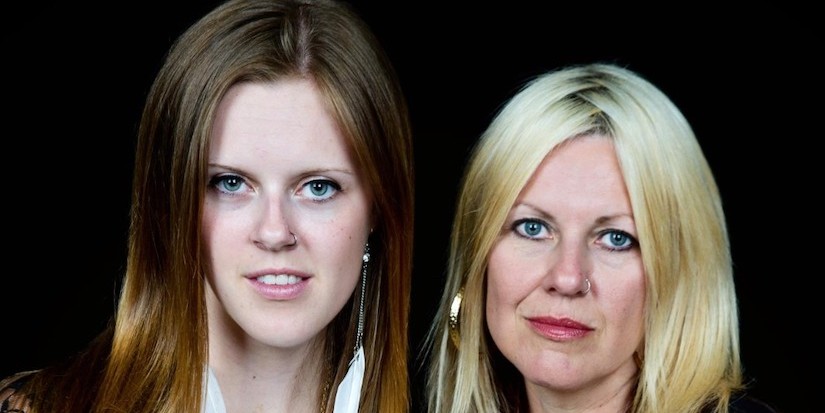
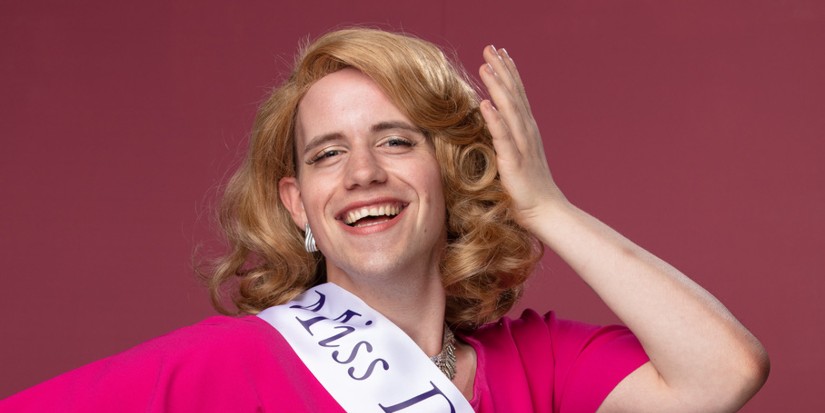
Photo courtesy illeanadouglas.com & globepequot.com
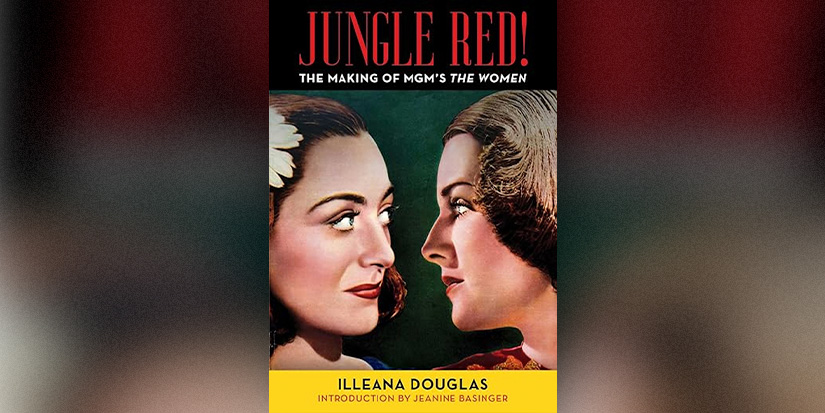
Photo courtesy globepequot.com
Illeana Douglas: Jungle Red! The Making of MGM's The Women

Published 11:11 MST, Mon November 16, 2026
Last Updated: 11:10 MST, Tue November 17, 2026


A groundbreaking film that was the first of its kind
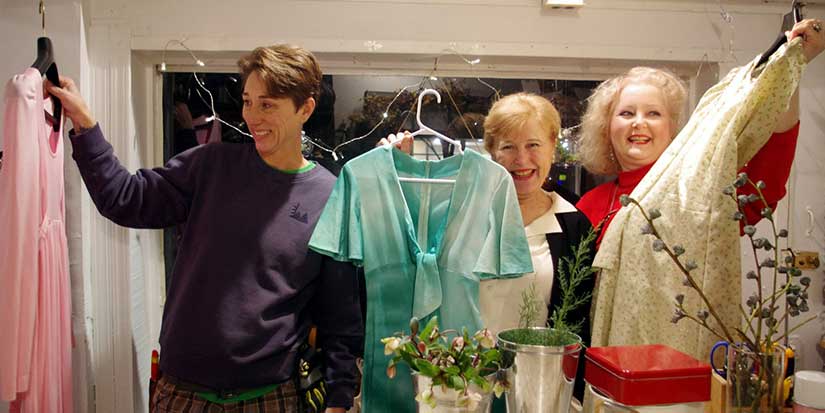
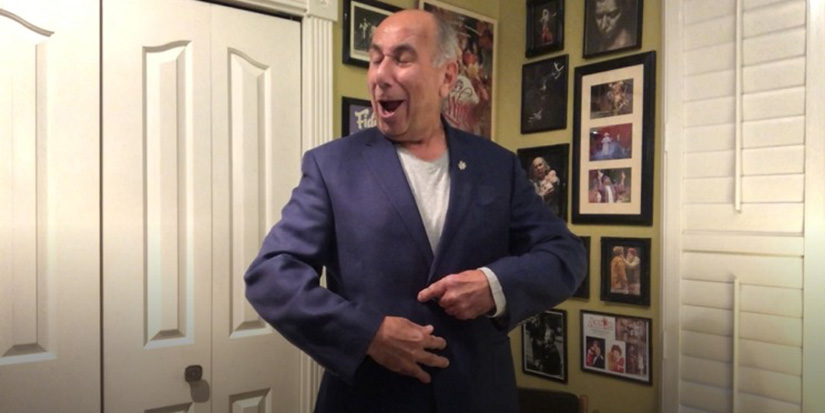
Our City Tonight sat down with long-time actress Illeana Douglas, whose diverse career has taken her from Martin Scorsese’s Cape Fear to a classic episode of Seinfeld. An accomplished actress, producer, podcaster and author, Douglas has a passion for Hollywood history and the remarkable women who helped shape the film industry. Her latest book, Jungle Red! The Making of MGM’s The Women, takes readers behind the scenes of one of Hollywood’s most fascinating and ground-breaking productions. It is a story filled with larger-than-life personalities, Hollywood rivalries, unexpected twists and the making of a film that continues to captivate audiences decades later.
OCT: Let’s get right into the book, because there is so much to talk about. One of the things we love is that the women—and the movie itself—are right there in the title. There is so much to unpack, and you do a wonderful job telling this story. Let’s start at the beginning with the remarkable, independent woman who wrote the original stage play. Her name was Clare Boothe Luce, a Park Avenue socialite. Tell us about her.
ID: I’m so excited even just to say her name. She started out writing for Vanity Fair and showed tremendous promise as a writer. But she was one of those women who got a bad rap because she was writing about her own society. Nobody had really spilled the beans about these Park Avenue women before. Although the play was a huge hit, she also received scathing criticism from people like Eleanor Roosevelt, of all people. That damaged her prospects as a playwright, and eventually she went into politics and became associated with the Republican Party. Then, as she moved into the 1970s and the rise of feminism, she fell completely out of favour. But the popularity of her play, The Women, has never faded.
OCT: You reach a point in the book where you feel it is finally ready to start filming and the fun is about to begin. We’re going to get all these great actresses in one room, where they get to play their parts—and, hopefully, play nice! The director, George Cukor, was sometimes described as a “woman’s director.” We would simply call him a great director, but he also had to keep everyone sane during the making of this landmark movie.
ID: Yes. Going back to 1936, when MGM first purchased the property, it went through various writers, producers and directors. Then the big turning point came when George Cukor was fired from Gone with the Wind, largely because he was gay. David O. Selznick made a secret phone call to L.B. Mayer and said, “I want to fire George Cukor. Do you have anything at MGM we can put him on?” And they said, “Perfect. We have a movie called The Women.” I thought that was a story in itself: he was fired for being gay and then hired, in part, for being gay. The personalities behind the production are a fascinating part of Douglas’ research. Hollywood in the 1930s was a world of powerful studio executives, ambitious actresses and carefully managed public images. Bringing together so many celebrated women for one production was an extraordinary undertaking. The film also offered something audiences rarely saw at the time: a story centred entirely on women, their relationships, ambitions and rivalries, without a single male character appearing on screen.
OCT: For people who may not recognize all the names we’re talking about, or who haven’t seen the film, we hope that words like “trail-blazing” and “ground-breaking”—and some of the wonderful lines in your book—will encourage them to find the film or watch it again with fresh eyes. One of our favourite lines comes from a male critic. We had to think about it because we’d never heard a movie described quite this way. He says, “The Women has no ancestors.”
ID: That is true. The film was an unexpected hit, and it became one of the major successes of 1939—the year of Gone with the Wind and The Wizard of Oz. It was just as successful, with 15,000 people attending the premiere. Yet when people talk today about the great movies of 1939, they often forget The Women and how ground-breaking it was. This was the first—and, in many ways, only—time a film featured an all-female cast of 135 women, with no men appearing on screen. The entire story is told from a female point of view and perspective. In the 1930s, audiences also looked to actresses as role models and based aspects of their lives on the characters they saw on screen. Joan Crawford, for example, had a deeply devoted fan base that followed every film she made and every character she played. Crawford had never played an outright “B” before, as she did in this movie, and she relished the role. Audiences loved it. And then there was Rosalind Russell and Paulette Goddard, along with the famous catfight—something that had never been called a “catfight” before this movie.
OCT: The book is called Jungle Red! The Making of MGM’s The Women, and the author is Illeana Douglas. It’s a terrific book and available now at all major bookstores.












































.jpg)
.jpg)
















































2 Hours of free financial consulting
Jai Xin Planning Ltd.
C$120.00 C$0.00

Use any of our home staging service and get a second month rental for free!
MiiX Interiors
C$500.00 C$0.00

Get 10% off any order
Phantom Screens Lower Mainland
C$200.00 C$180.00