Arts & Culture
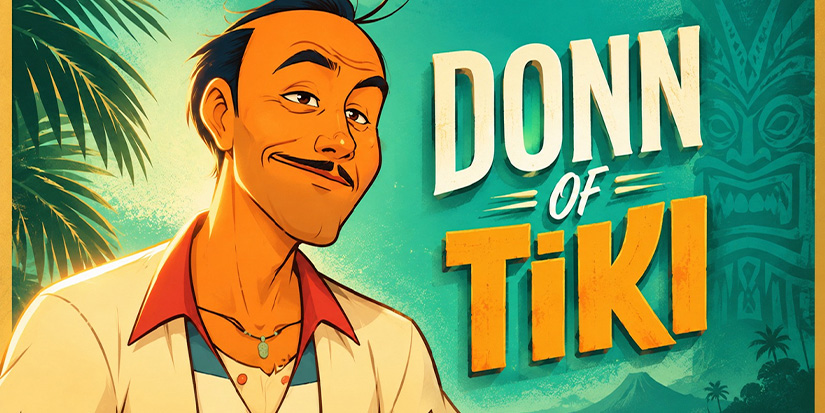
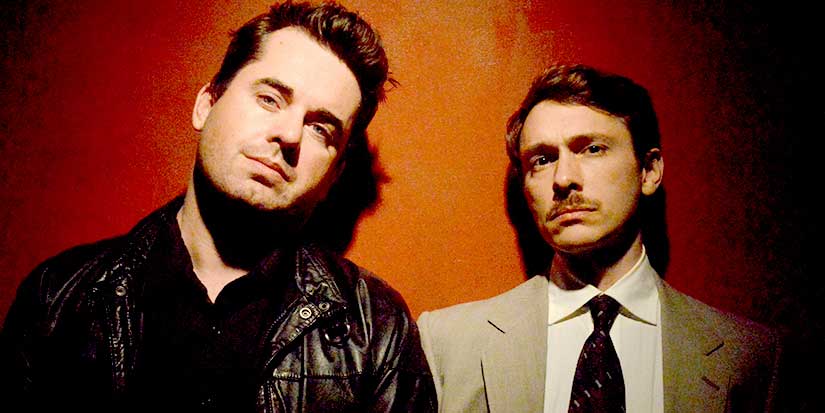
Photo courtesy Surf Monkey Films & Beachcomber Productions
The Man who brought exotic drinks & Tiki culture to the world


Our City Tonight
The Man who brought exotic drinks & Tiki culture to the world
Who was Donn the Beachcomber?
“The Donn of Tiki” tells the fascinating story of Donn Beach, better known as “Donn the Beachcomber”, the man widely credited as the grandfather of Tiki culture. In an interview with co-producer and co-director Alex Lamb (AL), we discussed the documentary and the remarkable legacy of its subject.
OCT: The film features excellent archival footage and takes a deep dive into the origins of Tiki culture. You recently had a successful screening in Vancouver at the Rio Theatre in partnership with The Shameful Tiki Room. Tell us a little about Donn the Beachcomber.
AL: “Donn the Beachcomber” was born Ernest Raymond Beaumont Gantt in 1907, most likely in Texas. He travelled extensively as a young man and even- tually settled in Hollywood, California. For a time, he worked as a rum runner, and when Prohibition ended, he opened a bar called Donn the Beachcomber. It became the prototype for what we now know as the Tiki Bar. The concept was inspired by his travels, experiences, and a healthy dose of imagination.
OCT: It seems he came by it naturally. He spent time in Jamaica and later became involved in rum running. During World War II, he supplied liquor and cigars to troops. Drawing on his experiences in the South Seas, he began creating cocktails unlike anything people had seen be- fore. Today, exotic cocktails are common, but 70 or 80 years ago, they were something entirely new.
AL: Rum wasn't especially popular in the United States at that time. Donn happened to have access to plenty of it because of his rum-running days, and he knew how to work with it because of his time in the South Pacific. He developed what he called his "Rum Rhapsodies," a style of cocktail-making based on the Jamaican Planter's Punch recipe of rum, lime, and sugar. That's really where it all began.
OCT: After opening his first restaurant in Los Angeles, movie stars like Clark Gable and other Hollywood celebrities became regular customers. He later married Cora Irene "Sunny" Sund, but what surprised me about the story is that after creating such a successful franchise, he eventually found himself pushed out of the business and no longer profiting from what he had built.
AL: That's still one of the more mysterious parts of his story. Sunny became involved with people connected to organized crime, and after their divorce, she gained control of the business. Donn remained the public face of the brand because his name carried so much value, but she be- came the primary owner from that point forward.
OCT: Let's talk about how he responded to that situation. Through legal manoeuvring and a name change, he managed to move on and start over. It seemed like Hawaii offered him a fresh beginning.
AL: Before all of that, Donn was drafted when World War II broke out. During the war, he created rest camps for troops, providing an escape for soldiers who needed one. When he returned after the war, he decided to relocate to Hawaii. Fortunately, the agreement that gave ownership of Donn the Beachcomber to his former wife only applied within the United States, and Hawaii had not yet become a state. That allowed him to establish himself there independently.
One of the biggest surprises for my filmmaking partner, Max, and me was discovering just how much influence Donn had on Hawaii. We expected to explore Hawaii's impact on him, but the reverse was equally true. This was a pivotal period in Hawaiian history, and Donn played a role in helping preserve aspects of its cultural identity during a time of significant change.
OCT: Trends often seem cyclical. We remember the tail end of Tiki's popularity, and we wonder if we're seeing another resurgence. Is Tiki making a comeback, and is Donn becoming better known because of projects like this documentary?
AL: I certainly hope so. The Tiki culture tends to fade and return in cycles. The last major revival was probably 15 to 20 years ago, but the interest has never completely disappeared. The craft cocktail renaissance of the early 2000s helped fuel renewed appreciation for Donn's work. Bartenders began researching classic recipes and discovered how innovative and complex his drinks really were. He was creating layered cocktails with fresh juices, syrups, and multiple spirits back in the 1930s. People gained a new appreciation for just how ahead of his time he was.
OCT: And today, you can't walk into a cocktail bar without seeing rum on the menu. It's become one of the most popular cocktail ingredients.
AL: Absolutely. For more information about ”The Donn of Tiki”, follow us on Instagram, where you'll find updates about the Blu-ray and streaming releases scheduled for this year. You can also visit TheDonnofTiki.com
























































.jpg)


.jpg)






















































-825x413.jpg)









2 Hours of free financial consulting
Jai Xin Planning Ltd.
C$120.00 C$0.00

Use any of our home staging service and get a second month rental for free!
MiiX Interiors
C$500.00 C$0.00

Get 10% off any order
Phantom Screens Lower Mainland
C$200.00 C$180.00